How to Choose the Right Aquarium Fish: A Beginner's Guide
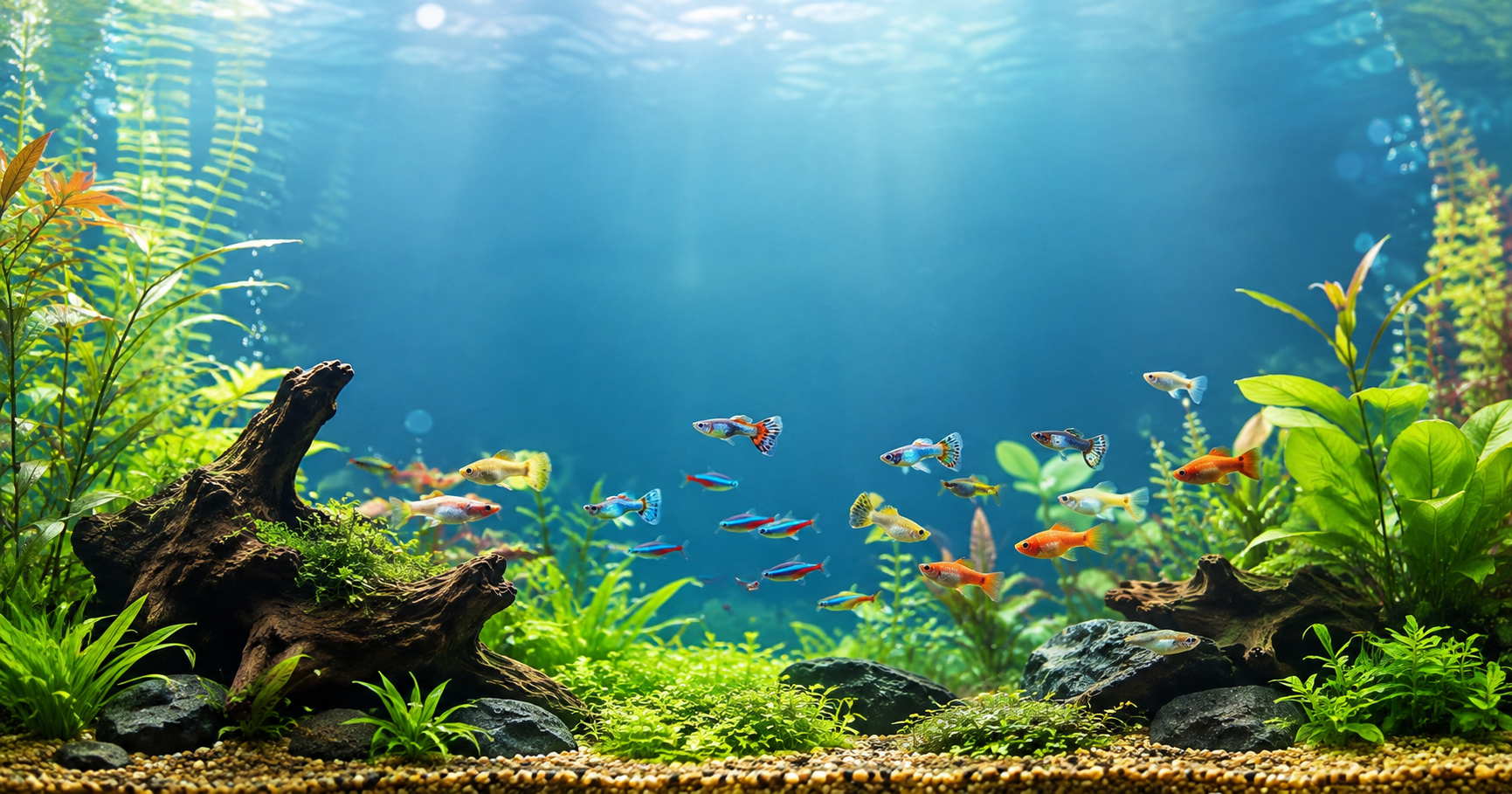
Starting your first aquarium is exciting — but picking the wrong fish can turn that excitement into frustration fast. From tank size to water parameters to compatibility, this beginner's guide walks you through everything you need to know before bringing home your first fish.
1. Start With Your Tank, Not the Fish
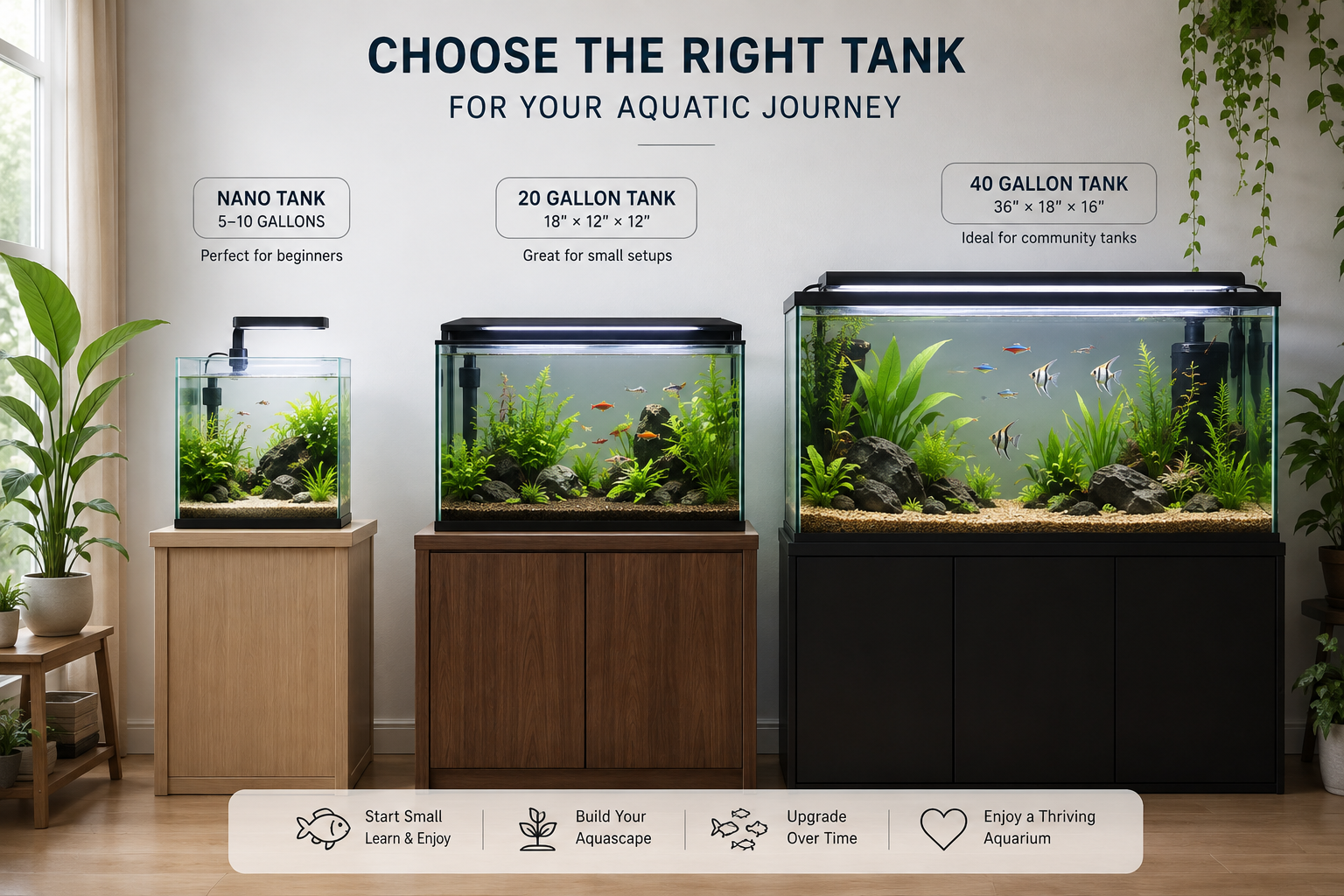
It's tempting to fall in love with a fish at the store and figure out the logistics later. Don't. Your tank size, shape, and setup determine which fish can actually thrive in it. Under 10 gallons: Best suited for small species like bettas, small tetras, or shrimp — not schooling fish that need room to swim. 20–30 gallons: A great beginner range that opens up options like guppies, mollies, corydoras, and small schools of tetras. 40+ gallons: Gives you room for larger community fish, bigger schools, and more flexibility overall. Rule of thumb: research the adult size of any fish, not just how it looks at the store. A tiny fish today can outgrow your tank in months.
2. Understand Water Parameters Before You Shop
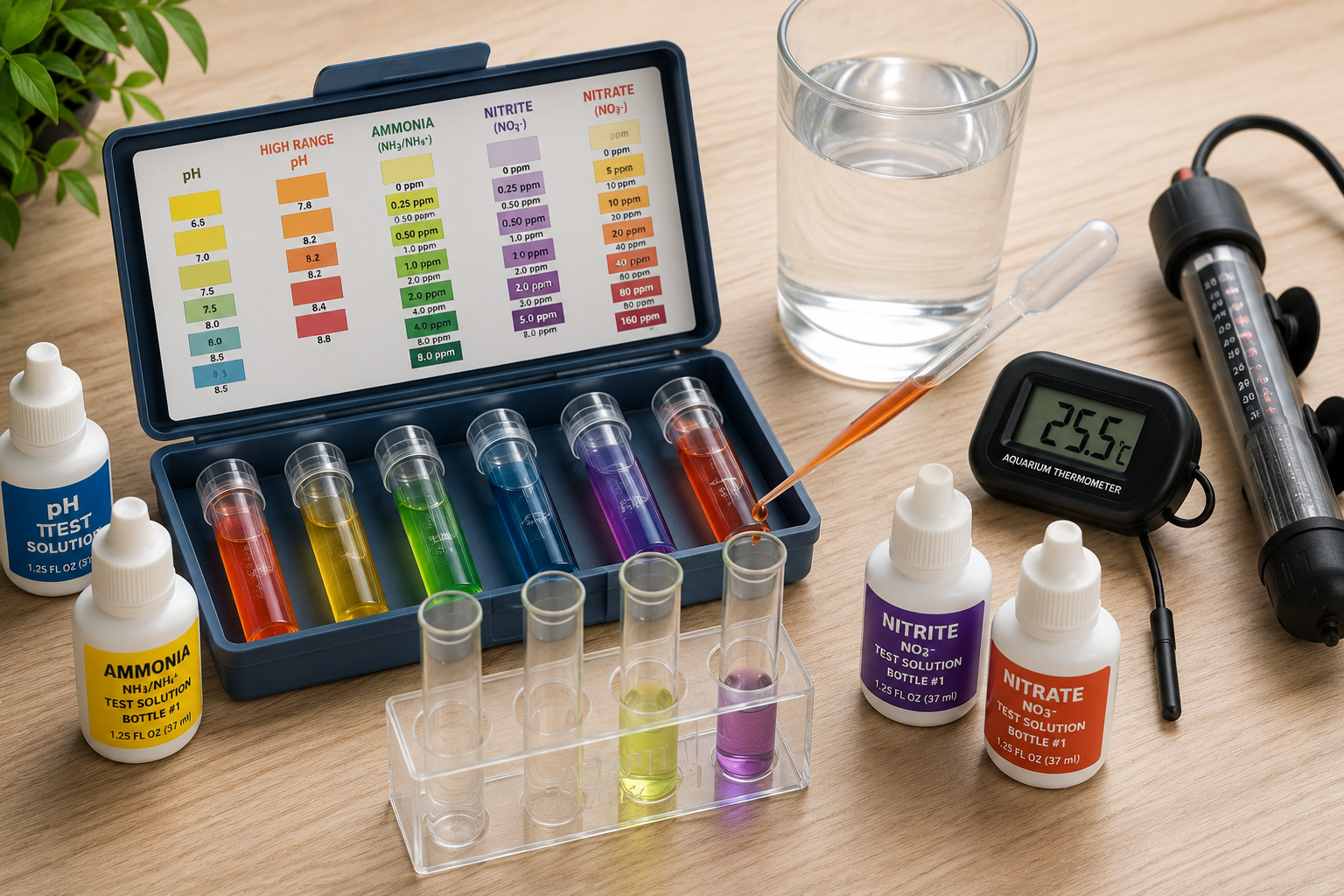
Every species has its own preferences for temperature, pH, and hardness. Mixing fish with incompatible needs is one of the most common beginner mistakes. Tropical freshwater fish (like tetras, guppies, and bettas) generally like warmer water, around 75–80°F. Coldwater species (like goldfish) need cooler, well-oxygenated water and shouldn't be paired with tropical fish. Test your water before choosing fish, not after — a heater and a basic water test kit go a long way.
3. Choose Fish That Get Along
Not all fish are social creatures. Some are peaceful and love company; others are territorial or downright aggressive. Peaceful community fish: tetras, mollies, platies, corydoras, guppies Semi-aggressive (research tank mates carefully): barbs, gouramis Best kept alone or with caution: bettas (especially males), certain cichlids A good beginner strategy is to build a "community tank" of peaceful species that share similar water needs and temperaments.
4. Think About Schooling Needs
Many popular beginner fish, like neon tetras and rasboras, are schooling species — they need to be kept in groups (usually 6 or more) to feel secure and display natural behavior. Keeping just one or two can lead to stress, hiding, or even early death. Always check whether a species needs company before adding just one or two to your tank.
5. Match Fish to Your Experience Level
Some fish are far more forgiving of beginner mistakes than others. Great starter fish include: Guppies – colorful, hardy, and easy to care for Corydoras catfish – peaceful bottom-dwellers that help keep the tank clean Platies – hardy and low-maintenance Neon tetras – beautiful schooling fish, though slightly more sensitive to water quality Fish to hold off on until you have more experience: discus, certain cichlids, and other species with specific, demanding care requirements.
6. Don't Overstock
It's easy to underestimate how quickly a tank can become overcrowded. Overstocking leads to poor water quality, stress, and disease. A common guideline is one inch of adult fish per gallon of water, though this varies by species and filtration — treat it as a starting point, not a strict rule.
7. Quarantine New Fish
Before adding new fish to an established tank, consider a quarantine period of 2–4 weeks in a separate tank. This helps catch illnesses before they spread to your existing fish and gives new arrivals time to adjust.
Final Thoughts Choosing the right aquarium fish isn't about picking the prettiest options at the store — it's about matching species to your tank size, water conditions, and the temperament of the fish you already have (or plan to get). Take your time, do your research, and your aquarium will reward you with healthy, happy fish for years to come. Ready to set up your first tank? Explore Neoblue's beginner-friendly aquarium essentials to get started on the right foot
Article Gallery
Comments 0
Loading Comments...